



Aldose Reductase
AKR1B1; Aldo-keto reductase family 1 member B
Aldose reductase is a small, cytosolic, monomeric enzyme which belongs to the aldo-keto reductase superfamily. Aldose reductase catalyzes the reduced form of nicotinamide adenine dinucleotide phosphate (NADPH)-dependent reduction of a wide variety of aromatic and aliphatic carbonyl compounds. It is implicated in the development of diabetic and galactosemic complications involving the lens, retina, nerves, and kidney.
Aldose reductase is both the key enzyme of the polyol pathway, whose activation under hyperglycemic conditions leads to the development of chronic diabetic complications, and the crucial promoter of inflammatory and cytotoxic conditions, even under a normoglycemic status. Aldose reductase represents an excellent drug target and a huge effort is being done to disclose novel compounds able to inhibit it.
All Product Categories
-
Aldose Reductase Related Products (133)
Related Products (133)

-
Antibodies (2)
-
Epalrestat (Standard)
 0 ImagesSynonyms: ONO2235 (Standard)Epalrestat (Standard) is the analytical standard of Epalrestat. This product is intended for research and analytical applications. Epalrestat is an orally active aldose reductase inhibitor that acts on diabetic neuropathy.
-
Risarestat
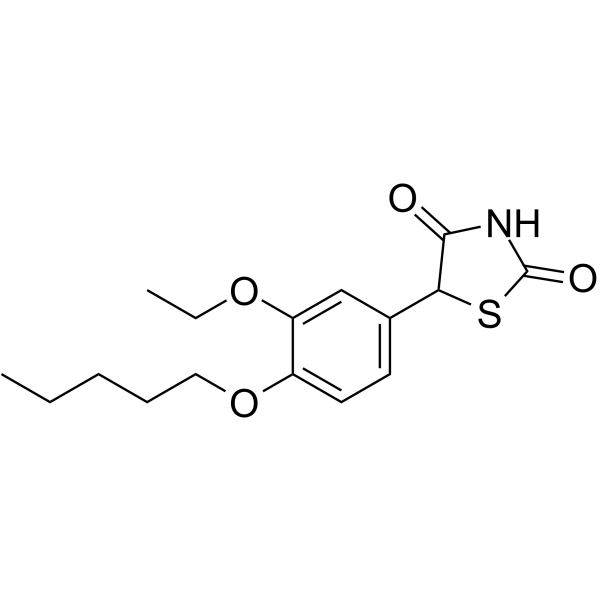 0 ImagesSynonyms: CT 112Risarestat (CT-112), an aldose reductase inhibitor, is developed for the treatment of diabetic complications.
-
Mumeose K
 0 ImagesCat. No.: HY-N13759CAS No.: 2132384-01-9Mumeose K is the inhibitor for aldose reductase with an IC50 of 27 μM. Mumeose K exhibits potential anti-diabetic activity, and can be used in research about diabetes-related complication.
-
Ganoderic acid C2 (Standard)
 0 ImagesCat. No.: HY-N1517RCAS No.: 103773-62-2Ganoderic acid C2 (Standard) is the analytical standard of Ganoderic acid C2. This product is intended for research and analytical applications. Ganoderic acid C2 is a bioactive triterpenoid in Ganoderma lucidum. Ganoderic acid C2 possesses the potential anti-tumor bioactivity, antihistamine, anti-aging and cytotoxic effects. Ganoderic acid C2 is the inhibitor for aldose reductase with an IC50 of 43.8 µM.
-
AKR1B1/STAT3/SLC7A11-regulator-1
 0 ImagesCat. No.: HY-176719CAS No.: 2632263-80-8AKR1B1/STAT3/SLC7A11-regulator-1 (5a) is an AKR1B1/STAT3/SLC7A11 regulator that reverses DOX resistance in MCF-7/ADR cells by enhancing ferroptosis activity. AKR1B1/STAT3/SLC7A11-regulator-1 can be used in breast cancer research.
-
Asperaldin
 0 ImagesCat. No.: HY-N14186CAS No.: 561297-46-9Asperaldin is a potent aldose reductase (RLAR) inhibitor found in Aspergillus niger CFR-1046.
-
ALR2-IN-8
 0 ImagesCat. No.: HY-175639ALR2-IN-8 is a potent aldose reductase (ALR2/AKR1B1) inhibitor with a KI of 7.34 nM. ALR2-IN-8 has extremely low toxicity to normal cells and has a weak direct killing effect on cancer cells. ALR2-IN-8 can used for the studies of diabetic and inflammation-linked disorders.
-
PTP1B/AKR1B1-IN-1
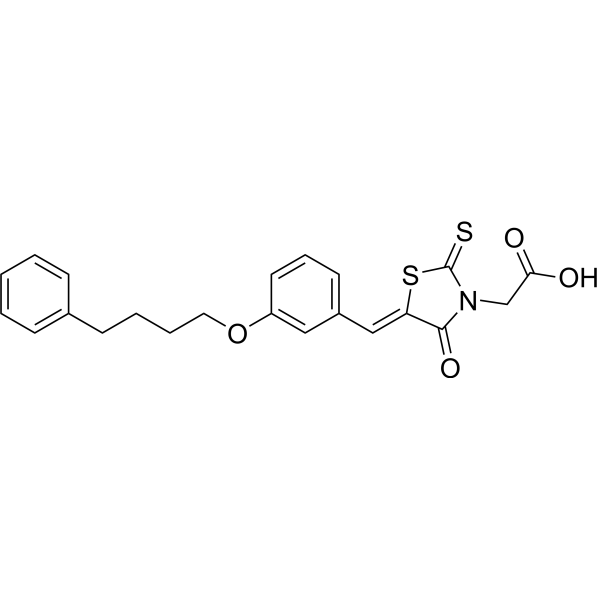 0 ImagesCat. No.: HY-149254PTP1B/AKR1B1-IN-1 is a dual inhibitor of protein tyrosine phosphatase 1B (PTP1B) and aldose reductase (AKR1B1), with IC50s of 0.06 μM and 4.3 μM, respectively. PTP1B/AKR1B1-IN-1 also inhibits TC-PTP with an IC50 value of 9 μM. PTP1B/AKR1B1-IN-1 serves as an insulin-mimetic agent in murine myoblasts, and reduces AKR1B1-dependent sorbitol accumulation. PTP1B/AKR1B1-IN-1 inhibits development of type 2 diabetes mellitus (T2DM) to control blood glucose levels.
-
IDD388
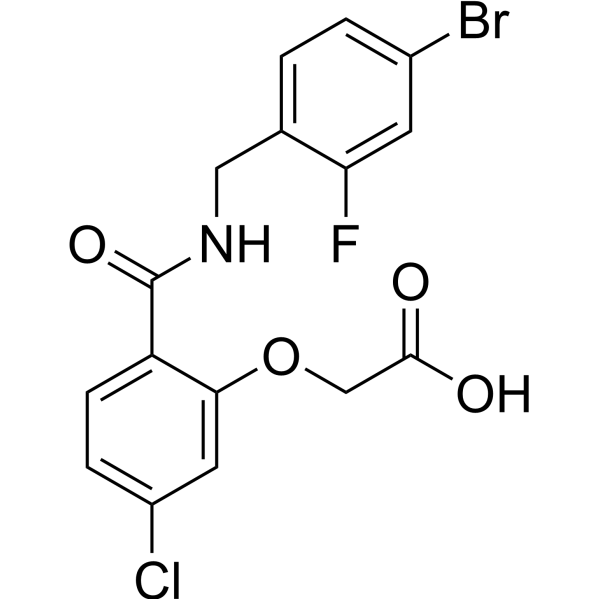 0 ImagesIDD388 is a selective aldose reductase (ALR2) inhibitor with an IC50 of 30 nM. IDD388 displays selectivity for ALR2 over ALR1 (IC50 of 14 μM).
-
ALR2-IN-3
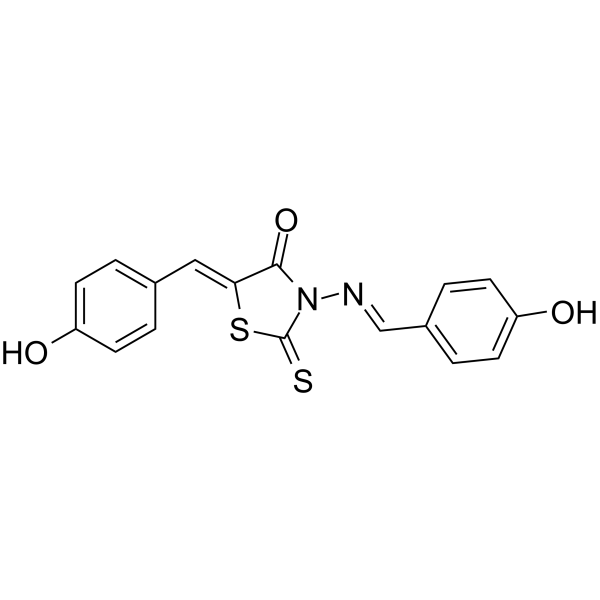 0 ImagesCat. No.: HY-151947CAS No.: 3062622-02-7ALR2-IN-2 is a potent inhibitor of aldose reductase (ALR2), with IC50s of 22 nM and 116 nM for rat ALR2 and ALR1, respectively. ALR2-IN-2 can be used for the research of diabetic complications.
-
APPA
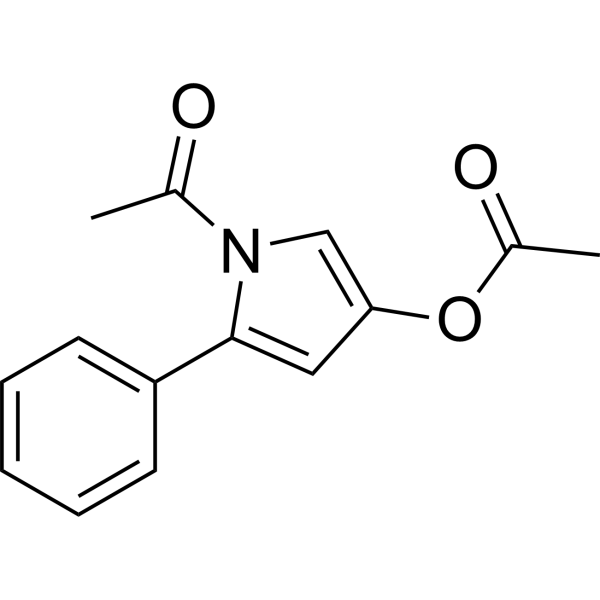 0 ImagesCat. No.: HY-131542CAS No.: 100750-39-8APPA is an aldose reductase inhibitor. APPA can effectively prevent apoptosis and the symptoms of Streptozotocin (HY-13753)-induced diabetes by inhibiting the polyol pathway in rats. APPA has the potential for diabetic nephropathy (DN) research.
-
Minalrestat
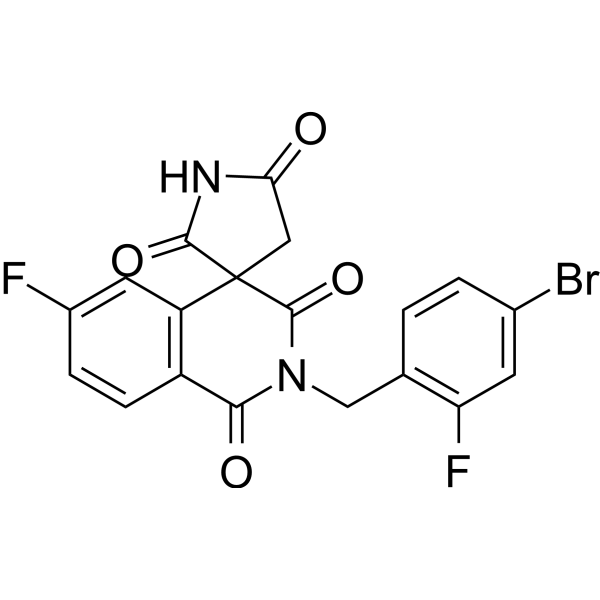 0 ImagesCat. No.: HY-106877CAS No.: 129688-50-2Synonyms: ARI-509; WAY-ARI 509Minalrestat (ARI-509) is a potent and orally active aldose reductase inhibitor. Minalrestat can be used in the research of diabetes.
-
Aldose reductase-IN-5
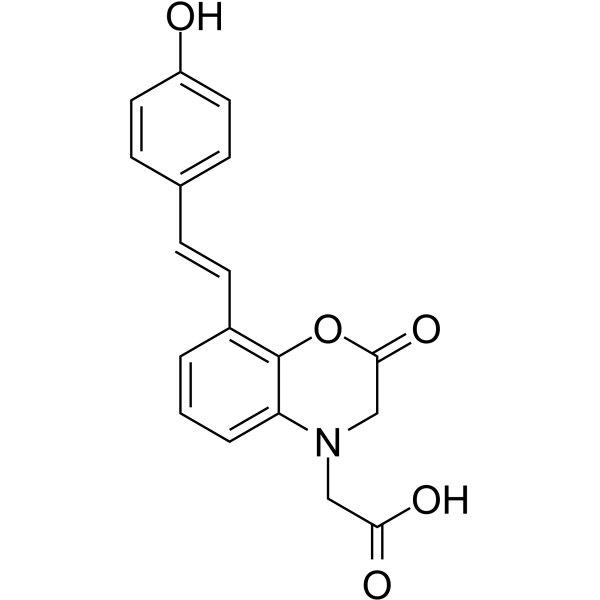 0 ImagesCat. No.: HY-146129CAS No.: 2480090-03-5As an aldose reductase (ALR2) inhibitor, the compound is used to enhance the combination of inhibitory excitability and antioxidant capacity to delay the progress of diabetes complications.
-
PTP1B/AKR1B1-IN-2
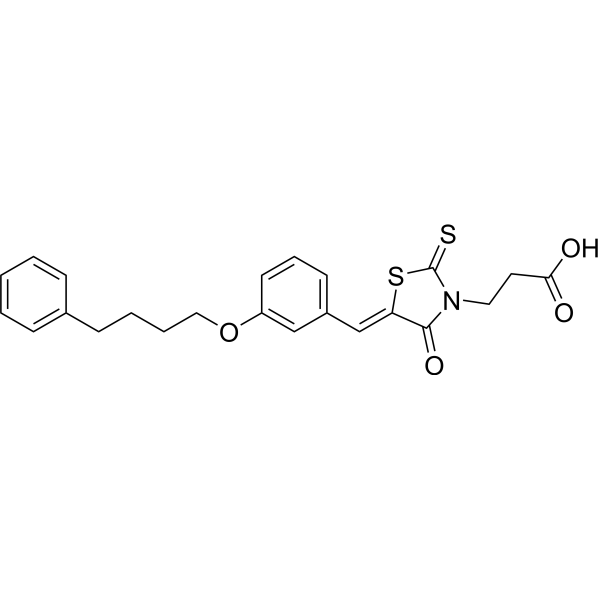 0 ImagesCat. No.: HY-149255PTP1B/AKR1B1-IN-2 (Compound 7f) is a dual PTP1B/AKR1B1 inhibitor (IC50s: 3.2 and 2.1 μM, Kis: 4.0 and 0.9μM). PTP1B/AKR1B1-IN-2 is an insulin-mimetic agent. PTP1B/AKR1B1-IN-2 improves glucose uptake in murine C2C12 myoblasts. PTP1B/AKR1B1-IN-2 can be used for research of Type 2 diabetes mellitus (T2DM).
-
ALR1/2-IN-1
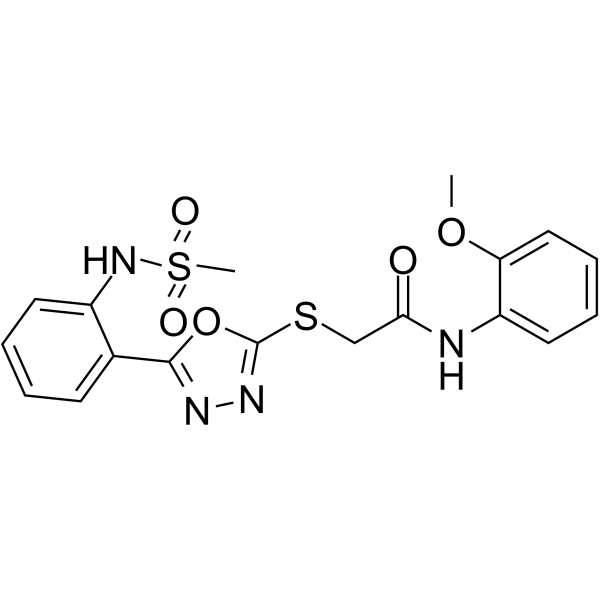 0 ImagesCat. No.: HY-147977CAS No.: 2419233-57-9ALR1/2-IN-1 (Compound 6e) is an aldehyde reductase (ALR1) and aldose reductase (ALR2) inhibitor with IC50 values of 3.26 μM and 3.06 μM against ALR1 and ALR2, respectively. ALR1/2-IN-1 shows anticancer activity.
-
Methosorbinil
 0 ImagesCat. No.: HY-W601605CAS No.: 102916-95-0Methosorbinil is an aldose reductase inhibitor with anti-cataract activity.
-
Myrciacetin
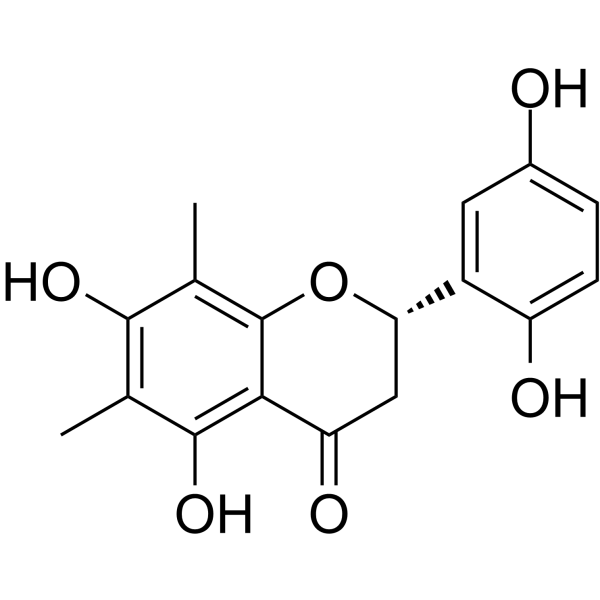 0 ImagesCat. No.: HY-N9335CAS No.: 203734-35-4Myrciacetin is a flavonoid from Rhododendron dauricum. Myrciacetin is against rat lens aldose reductase with an IC50 of 13 μM.
-
Dehydroglyasperin D
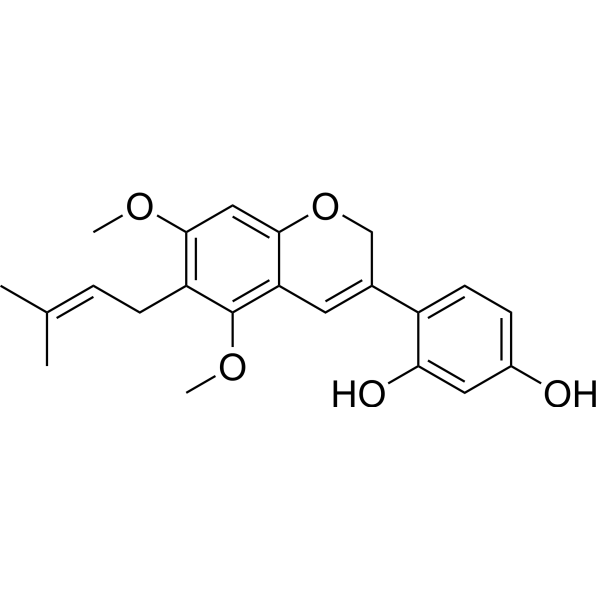 0 ImagesCat. No.: HY-N3716CAS No.: 517885-72-2Dehydroglyasperin D inhibits rat and human Aldose Reductase (AR) (IC50: 62.4 μM and 176.2 μM respectively). Dehydroglyasperin D has anti-obesity, antioxidant effects. Dehydroglyasperin D shows anti-inflammatory activity by inhibiting COX-2 expression and the MLK3 signaling pathway. Dehydroglyasperin D also inhibits melanin synthesis. Dehydroglyasperin D is a prenylated flavonoid that can be isolated from Glycyrrhiza uralensi.
-
ALR2-IN-7
 0 ImagesALR2-IN-7 (Compound 5a) is a highly potent and selective aldose reductase (ALR2/AKR1B1) inhibitor (Ki=8.71 nM). ALR2-IN-7 is promising for research of diabetic complications (e.g., retinopathy, nephropathy) and cancers.
-
Aldose reductase-IN-4
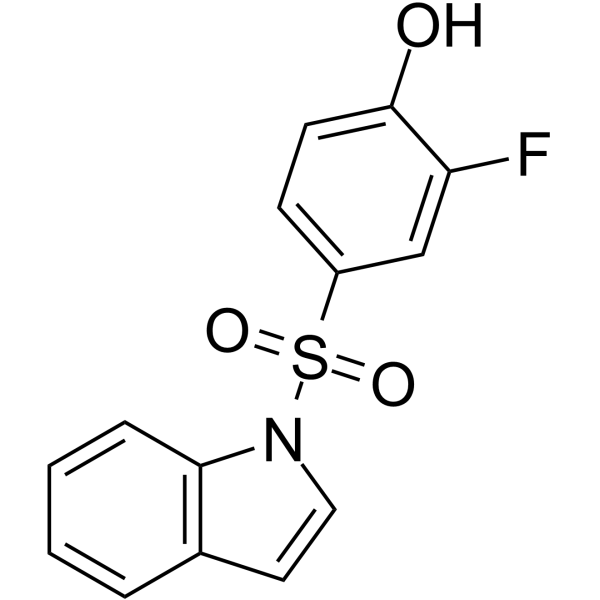 0 ImagesCat. No.: HY-146661CAS No.: 2446136-17-8Aldose reductase-IN-4 (compund IIc) is an aldose reductase inhibitor with IC50s of 11.70 μM and 0.98 μM for aldehyde reductase 1 (ALR1) and ALR2, respectively.




